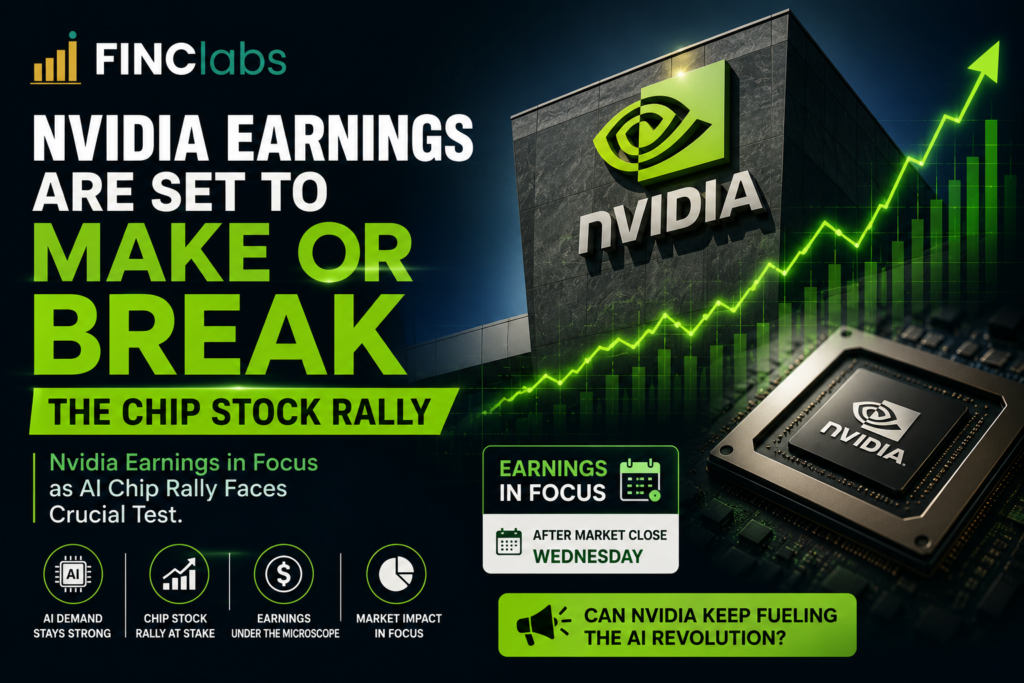
The tech-driven market rally ended abruptly as a strong May jobs report spiked U.S. Treasury yields and ignited fears of a hawkish Federal Reserve policy pivot. This shifted investor focus from overvalued tech shares to defensive sectors, puncturing a hole in the AI trade that previously fueled a multi-week winning streak.
A combination of fundamental headwinds, macroeconomic data, and market mechanics is causing the pullback:
1. Macroeconomic Headwinds.
Interest Rate Fears: An unexpectedly hot U.S. May employment report killed hopes for near-term interest rate cuts. Higher interest rates disproportionately punish high-valuation tech companies by increasing the cost of corporate debt.
- Global Yields: Stubbornly high U.S. Treasury yields make fixed-income investments more attractive compared to riskier equities.
- Geopolitical Strains: Ongoing conflict in the Middle East and rising global crude prices (which have climbed nearly 10% recently) are introducing inflation fears.
2. Tech-Specific Vulnerabilities.
- Overheated Valuations: Leading up to the rout, the Nasdaq climbed significantly from its April lows, pushing the sector to historic highs—with tech accounting for nearly 39% of the S&P 500’s total market capitalization.
- Heavy Capital Expenditures: Massive AI capital expenditures are squeezing margins across tech companies, with some prominent analysts, like Ray Dalio, classifying the AI craze as overextended.
- Chip Shortage Pressures: Ongoing global chip shortages and “chipflation” are hitting automakers, retailers, and even the tech companies themselves. Semiconductor bellwethers—such as Nvidia, Broadcom, and Qualcomm—have experienced sharp daily declines.
3. Market Mechanics & Upcoming Catalysts.
- Narrow Market Breadth: The preceding stock rally was highly concentrated in a narrow subset of mega-cap names. Historically, this lack of widespread participation leaves the broader indexes vulnerable to abrupt corrections.
- SpaceX IPO Impact: The highly anticipated $1.8 trillion SpaceX IPO triggered terrified investors to dump existing portfolio assets to raise cash for the incoming tech listing.
- Index Rebalancing: The S&P Dow Jones Indices elected not to change eligibility criteria for its indexes, meaning newly public megacap companies will have to wait at least 12 months to be included in the S&P 500, frustrating some investors.
If you would like, I can:
- Compare the recent performance of the tech sector against defensive market segments.
- Detail upcoming tech earnings and catalysts (such as Apple’s annual Worldwide Developers Conference) that could alter this trajectory.
Let me know how you would like to proceed in tracking these risks.