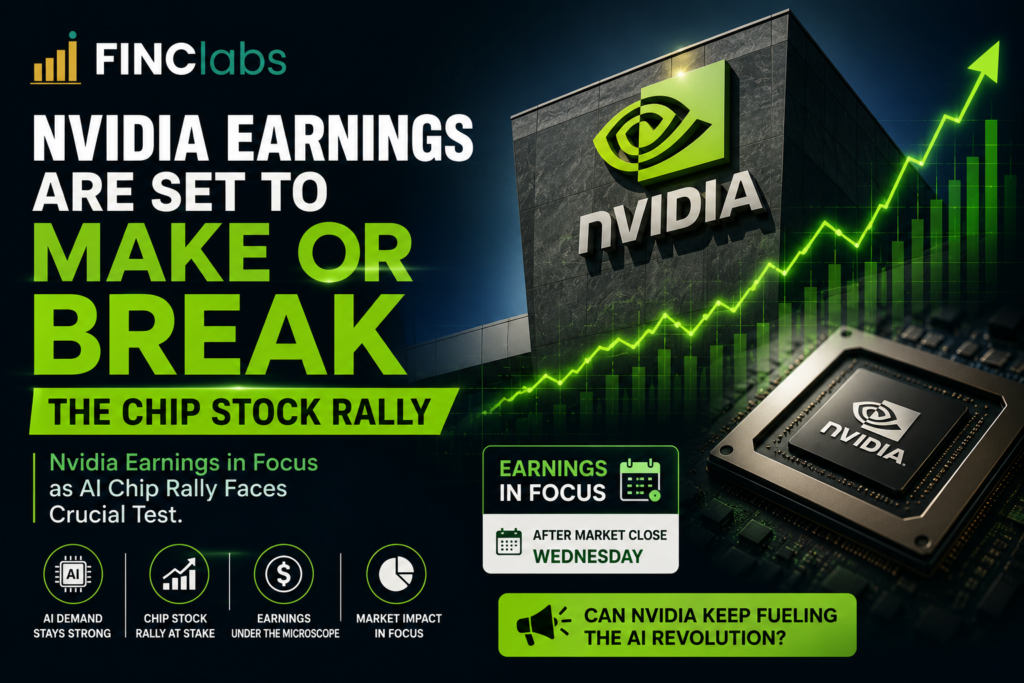
The heavy selloff in chip stocks was triggered by new worries that trillions spent on AI won’t yield blockbuster returns, compounded by a strong jobs report that sparked fears the Federal Reserve may raise interest rates to fight inflation.
The market carnage resulted in over $1.2 trillion in wiped-out market value. The technology-heavy Nasdaq Composite plummeted 4.2% (losing more than 1,100 points) in its worst single-day decline in over a year.
Key Catalysts for the Sell-Off.
- AI Revenue Doubts: Investors are growing increasingly anxious that the massive capital poured into artificial intelligence infrastructure will not generate expected, timely returns.
- Weak Guidance: Shares dropped sharply after Broadcom issued relatively weak guidance, spurring broader fears that enterprise AI demand may not scale as rapidly as previously estimated.
- Hot Labor Market: The May jobs report significantly exceeded analyst projections, adding 172,000 jobs and fueling fears the Fed will need to keep interest rates elevated to combat inflation.
Hardest Hit Players.
The top-heavy market, which has relied heavily on a handful of mega-cap tech stocks, took an aggressive beating.
- Nvidia slid by over 6%.
- Broadcom dropped nearly 8%.
- Micron Technology, Intel, and Super Micro Computer all suffered losses exceeding 11%.
Broader Market Impact.
Because the rally had become so concentrated in a select group of top-heavy AI and chip equities, the bleeding spilled over into virtually all asset classes.
- Rising Bond Yields: Falling bond prices drove the 2-year Treasury yield up to 4.16%—its highest close in 16 months.
- Broader Index Declines: The prospect of higher borrowing costs hurt both big and small companies; the S&P 500 fell, and the Russell 2000 index of smaller stocks lost 3.5%.
If you’d like, let me know:
- Are you looking to see how other sectors like energy, retail, or healthcare are holding up?
- Would you like to review specific stock portfolios or long-term hedging strategies?
I can help you analyze how this broader market correction might impact your specific investing goals.