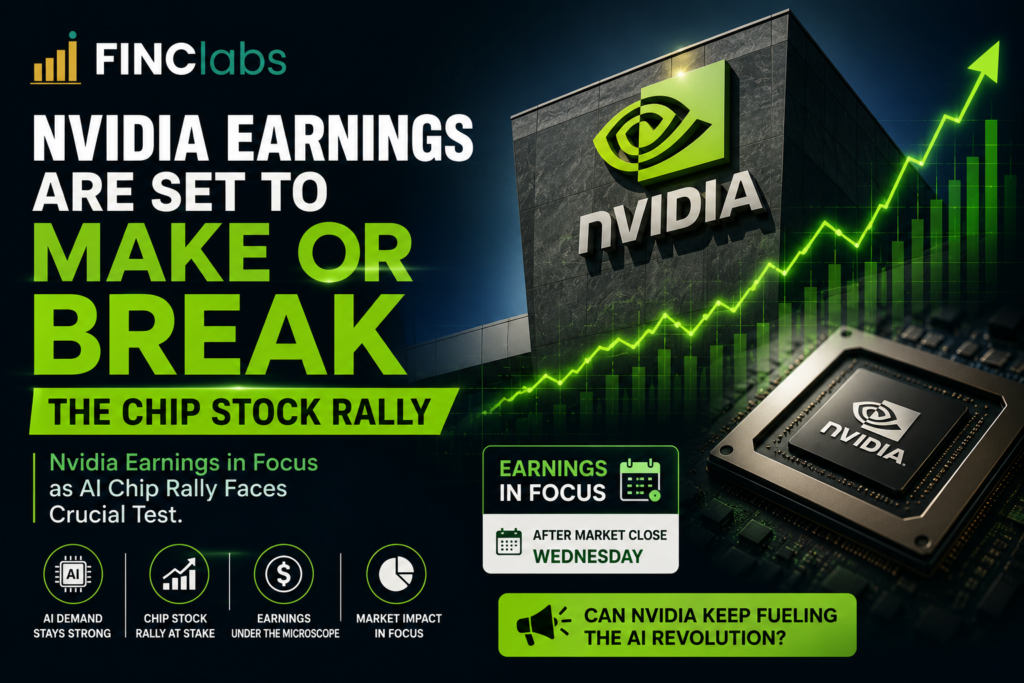
The recent carnage in tech and chip stocks was triggered by fears of slower-than-expected AI investment returns and a surprisingly strong jobs report. In a top-heavy market, this combination sparked massive sell-offs, wiping $1.2 trillion in market value as investors reassessed the blistering run-up.
The Perfect Storm: Why the Chip Sector Plunged.
1. The Expectation Game vs. Reality.
Semiconductor and AI-related stocks had a historic rally over the past few years, driving valuations to premium levels. When major players like Broadcom maintained—but didn’t raise—their massive AI revenue guidance, investors dumped shares, realizing that AI growth may not follow a straight, upward line. Concerns mounted that the trillions invested in AI infrastructure may take longer than expected to yield blockbuster financial returns.
2. Robust Labor Market & Interest Rate Jitters.
A stronger-than-expected May jobs report—showing 172,000 new jobs—cooled fears of an economic slowdown but ignited worries about inflation. Because a strong economy can keep inflation elevated, the market grew concerned that the Federal Reserve will have to maintain or even raise interest rates. Higher borrowing costs generally disproportionately penalize high-growth, debt-heavy tech and chip stocks.
3. The Vulnerability of a “Top-Heavy” Market.
The broader market’s recent gains have relied heavily on a small handful of dominant tech giants. As the year progressed, fewer stocks were actually keeping pace with overall index gains. When heavyweights stumble, the entire index (such as the Nasdaq, which suffered its worst drop in over a year) takes a massive hit.
The Broader Market Impact.
- Heavy Losses: Shares of hardware giants, including Nvidia, Micron Technology, Intel, Super Micro Computer, and Broadcom, suffered deep double-digit or heavy single-digit percentage declines.
- Sector Rotation: While tech and chip stocks saw a pullback, some traditionally lagging sectors like financials and healthcare managed to see gains as capital rotated away from over-inflated tech valuations.
Looking Ahead.
Market analysts largely view this correction as a natural, if sharp, response to historically high valuations and an inevitable cooldown from a breathless two-month rally. Despite the sell-off, the U.S. economy and labor market remain robust, and many corporate earnings reports remain solid.
If you want to navigate this market shift, I can help you:
- Review your current portfolio allocation to gauge your tech exposure.
- Track specific sector rotation trends (like financials or healthcare).
- Explore strategies for hedging against interest-rate volatility.